Washington's 2026 Legislative Session: What Passed, What's Pending, and What Was Blocked for LGBTQ Washingtonians
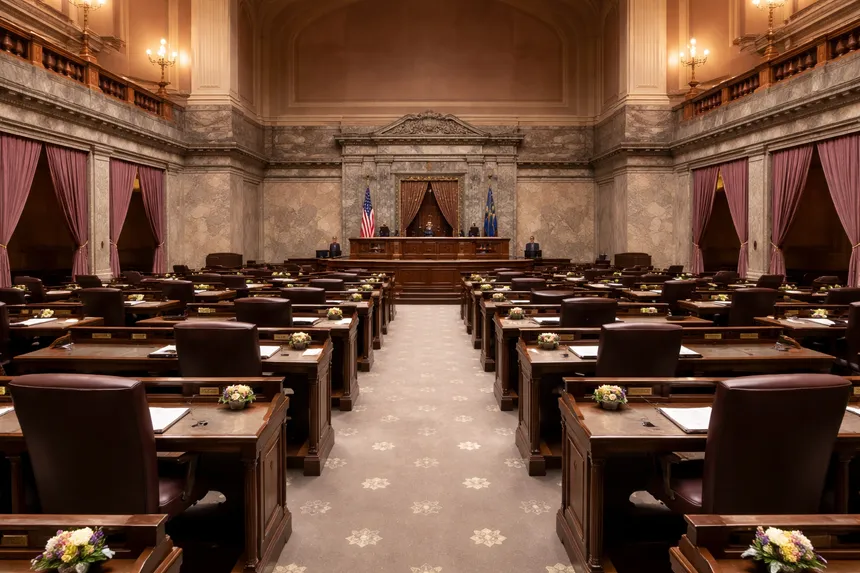
Washington's 2026 legislative session closed March 12 with four pro-LGBTQ bills signed into law, and every major anti-LGBTQ bill blocked before it ever got a hearing.
Newcastle, WA – The 2026 Washington State legislative session ended on March 12. Four bills with direct LGBTQ impact were signed into law; two more await the governor's signature; and several others remain in motion through the legislature. Every major anti-LGBTQ bill introduced this session, including a ban on gender-affirming care for minors and multiple bills targeting transgender student athletes, died without a hearing in the Democratic-controlled legislature. The Washington State LGBTQ Commission tracked 18 priority bills and 8 anti-LGBTQ bills throughout the session. Here is where things stand.
Signed Into Law
Four bills directly affecting LGBTQ Washingtonians are now law.
HB 1604, Transgender and Intersex Jail Search Parameters was signed by Governor Ferguson on March 11 (Ch. 17, 2026 Laws; effective June 11). The bill establishes specific parameters for searching transgender and intersex people held in local jails, bringing Washington into compliance with federal standards. It passed the House 56–39 and the Senate 30–19.
SB 6183, HIV Antiviral Drug Coverage was signed on March 14 (Ch. 48, 2026 Laws; effective June 11). The bill mandates that health insurance plans cover HIV antiviral drugs, including PrEP for prevention and treatment medications. HIV disproportionately affects gay and bisexual men and transgender women. The vote was one of the most bipartisan of the session: 48–0 in the Senate, 93–1 in the House.
HB 2242, Preserving Access to Preventive Services was signed on March 9 (Ch. 13, 2026 Laws; effective immediately). The bill clarifies state authority over preventive health services, protecting access to sexual health care, HIV prevention, and other services that recent federal action had placed in jeopardy. It passed the House 57–39 and the Senate 36–12.
SB 6081, Protecting Sex Designation Information in Government Records was signed on March 16 (Ch. 56, 2026 Laws). The bill prevents the unauthorized disclosure of sex designation information and of any historic changes to sex designation in official government records, a critical privacy protection for transgender and intersex Washingtonians. It passed the Senate 30–19.
Awaiting the Governor's Signature
Two bills cleared both chambers by session's end and were delivered to the governor.
ESB 5272, School Safety: Extracurricular Intimidation Penalties was delivered on March 12. The bill extends penalties for threats of force or violence at schools and extracurricular activities, addressing harassment that falls disproportionately on LGBTQ students. It passed the House 92–2 and the Senate 47–0. The governor's signing deadline is April 4.
HB 2225, AI Companion Chatbot Regulation was also delivered on March 12 (effective January 1, 2027). The bill requires AI chatbot operators to disclose to users that they are interacting with AI, implement crisis referral protocols for users at risk of self-harm, and prohibit simulating romantic relationships with minors. LGBTQ youth, who face higher rates of social isolation and mental health challenges, are among those most at risk from unregulated AI companion applications. It passed the House 69–28 and the Senate 43–5.
Still Moving Through the Legislature
Several bills tracked by the LGBTQ Commission passed one chamber and remain under consideration:
- SB 5906, Data and personal safety protections in public accommodations. Passed the Senate 30–19; awaiting a House floor vote.
- SB 5177, Requires that educator professional development incorporate consideration of marginalized and underrepresented groups. Passed the Senate 29–19; currently in the House Education Committee.
- SB 6049, Protects student and employee information from disclosure under the Public Records Act, particularly relevant for LGBTQ students and school staff. Passed the Senate 30–18; in House Rules.
- SB 5924, Expands pharmacist prescriptive authority to improve access to PrEP and other medications for LGBTQ patients. Passed the Senate 38–11; in the House Health Care & Wellness Committee.
Bills That Didn't Survive Cutoff
Several priority bills tracked by the LGBTQ Commission did not advance past legislative cutoff deadlines. Among the most significant losses:
- HB 1072, Would have preserved access to protected health care services. Died in the House Health Care & Wellness Committee without a hearing.
- SB 5123, Would have expanded school nondiscrimination protections to explicitly include gender identity, gender expression, and sexual orientation alongside ethnicity and other protected categories. Died before reaching the House.
- SSB 5082, Housing assistance for youth in extended foster care. LGBTQ youth are disproportionately represented in the foster care system; the bill did not advance.
- HB 1129 / SB 5121, Health plan coverage of fertility-related services, which would have benefited LGBTQ people seeking to start families. Both were retained in present status and not advanced.
- SB 5490, The Senate companion to HB 1604 on transgender and intersex jail search parameters. It died at cutoff, though the House version became law.
Anti-LGBTQ Bills: What Was Blocked
The Washington State LGBTQ Commission tracked eight bills that posed direct threats to LGBTQ rights this session. None passed.
The Democratic-controlled legislature refused to grant hearings to the most harmful proposals. HB 1038, which would have banned puberty blockers, hormone therapy, and gender-affirming surgeries for minors, died in committee without a vote. SB 5012 and SB 5097, both targeting transgender student athletes in schools, failed to advance, and a parallel proposal by the Washington Interscholastic Activities Association (WIAA) to restrict transgender athlete participation was rendered advisory-only after legal review determined it would violate Washington's anti-discrimination laws.
SB 5136, which would have required schools to use students' legal birth names regardless of their gender identity, received no legislative action. SB 5137, which would have required parental opt-in before students could participate in comprehensive sexual health education, similarly stalled. HB 1176, which would have raised the age of consent for minors seeking mental health treatment and other services without parental approval from 13 to 17, directly threatening LGBTQ youth in unsupportive households, also died without advancement.
HB 1027, concerning the housing of inmates in state correctional facilities in ways that posed risks for transgender people, and SB 5135, which would have given school districts authority to override state-mandated inclusive curriculum requirements, received no further action.
Sources
- Washington State LGBTQ Commission: 2026 Legislative Session
- Washington State Legislature: app.leg.wa.gov, individual bill pages for HB 1604, SB 6183, HB 2242, SB 6081, ESB 5272, HB 2225, SB 5906, SB 5177, SB 6049, SB 5924
- Seattle Times: What protections do transgender people have in WA?
- Washington State Standard: 2026 legislative session coverage
