How Flock Safety Turned Washington’s Streets Into a Surveillance Network: What Newcastle Residents Need To Know
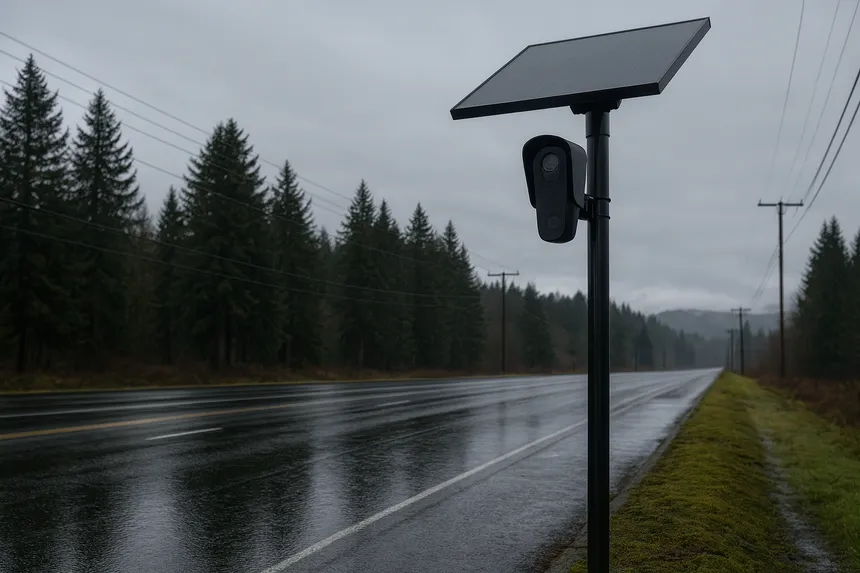
A detailed investigation into how Flock Safety’s ALPR network in Washington has exposed residents, including marginalized communities, to federal overreach, privacy risks, and widespread surveillance misuse.
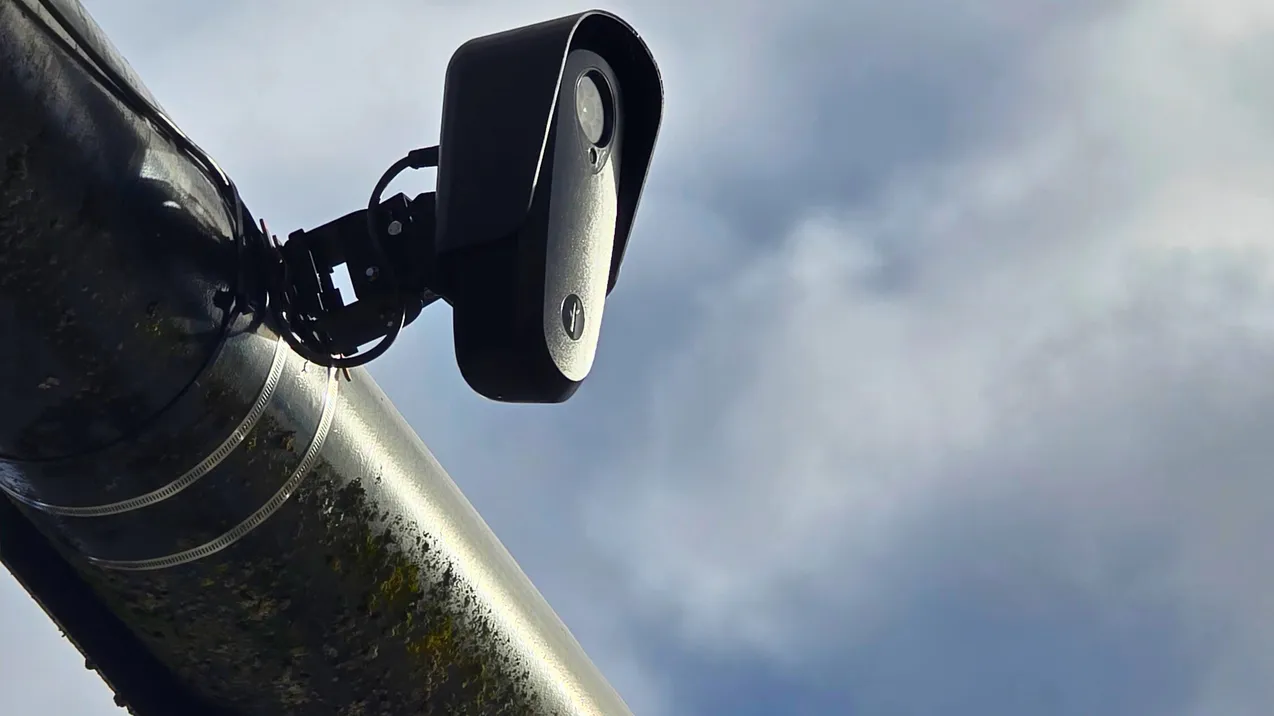
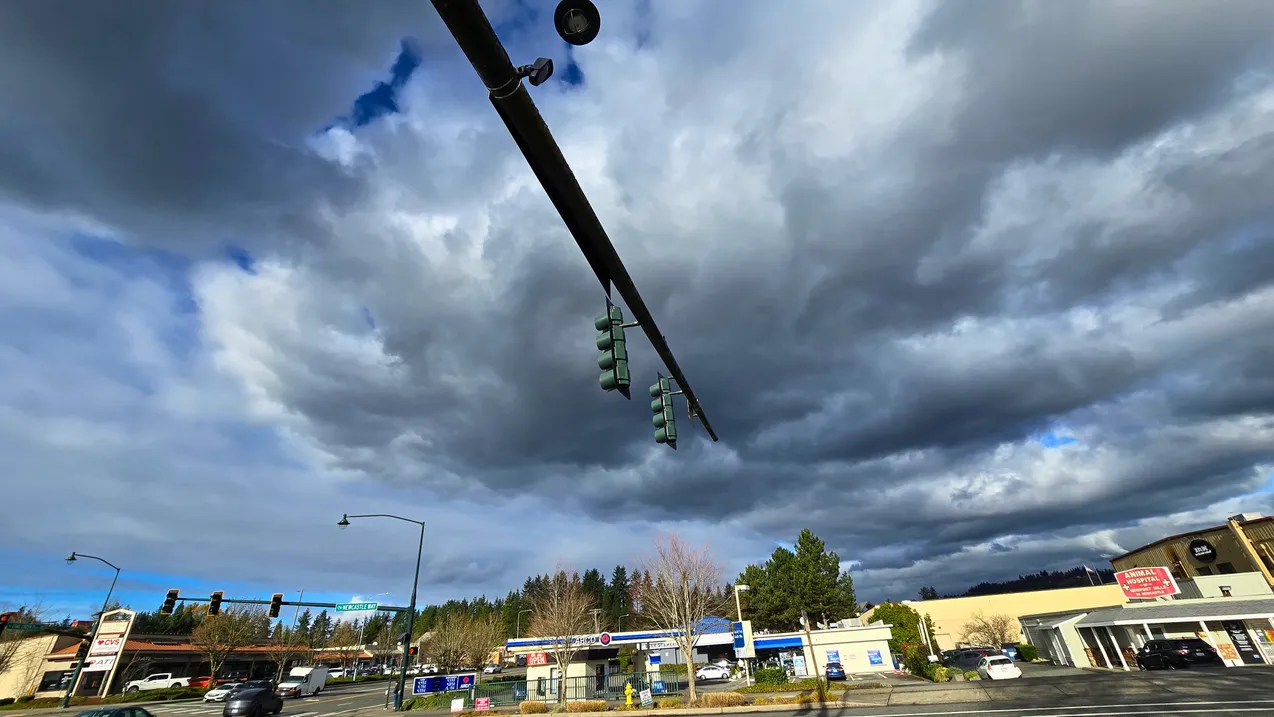
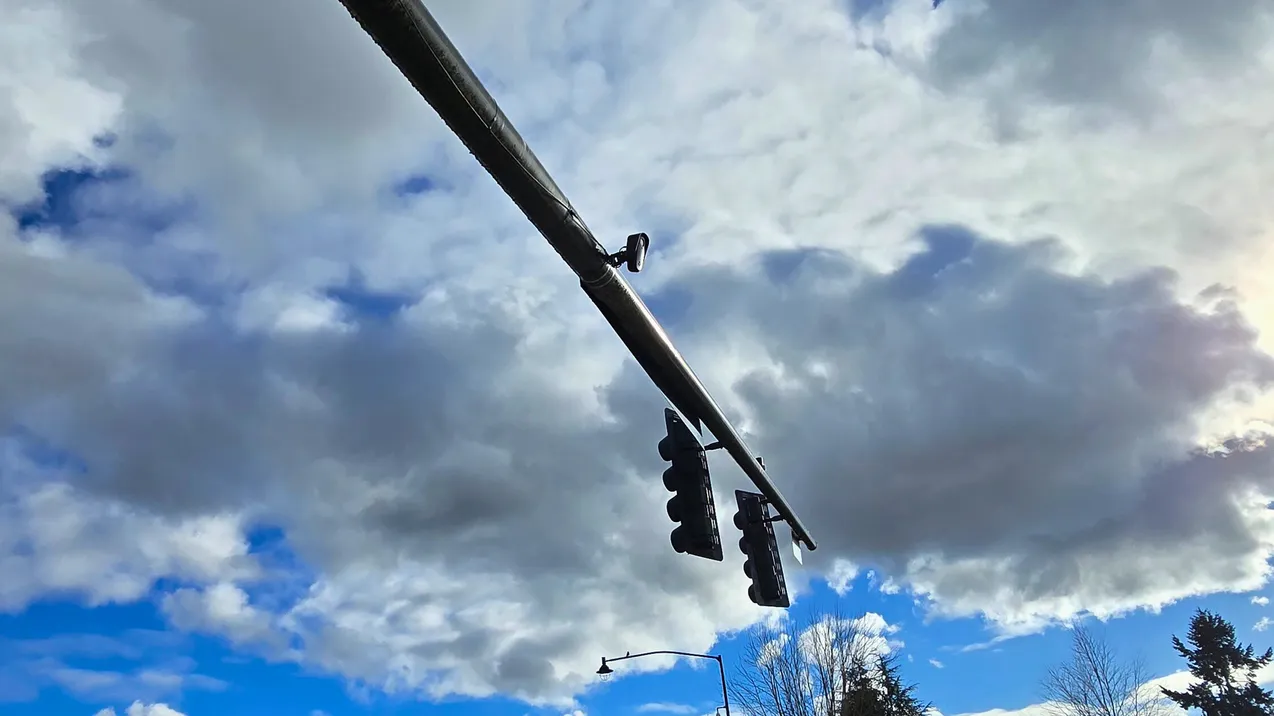
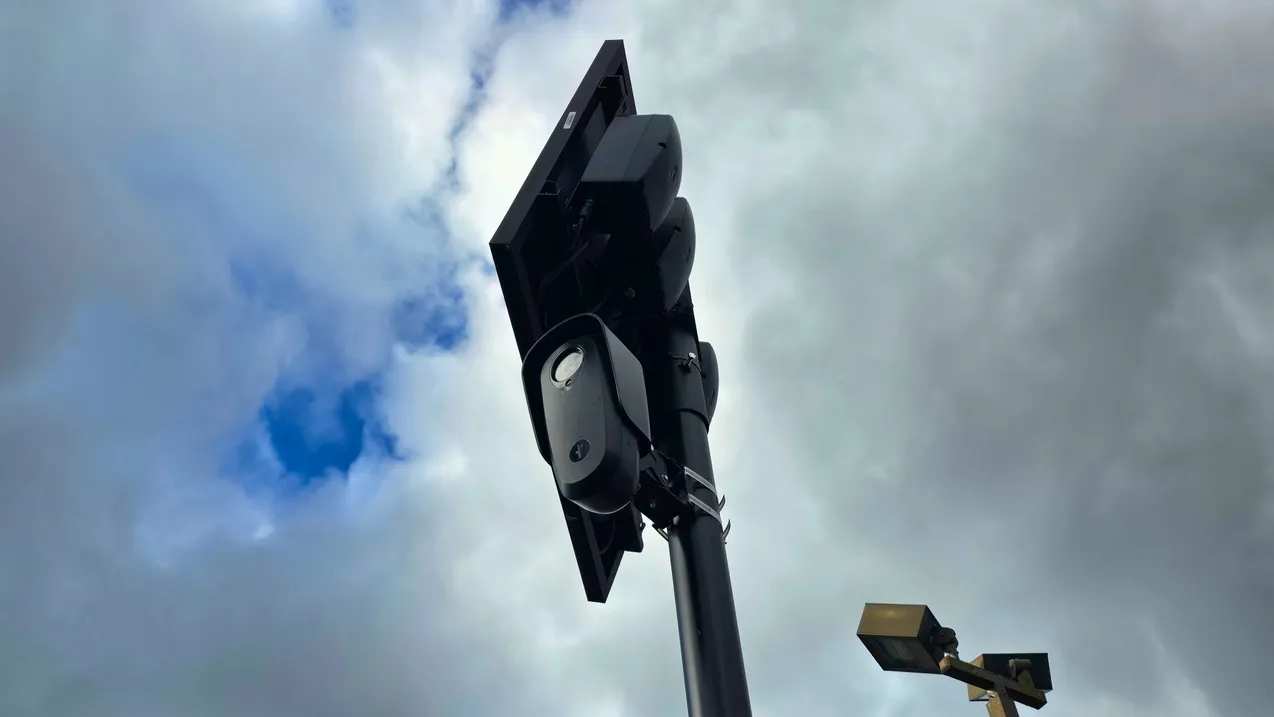
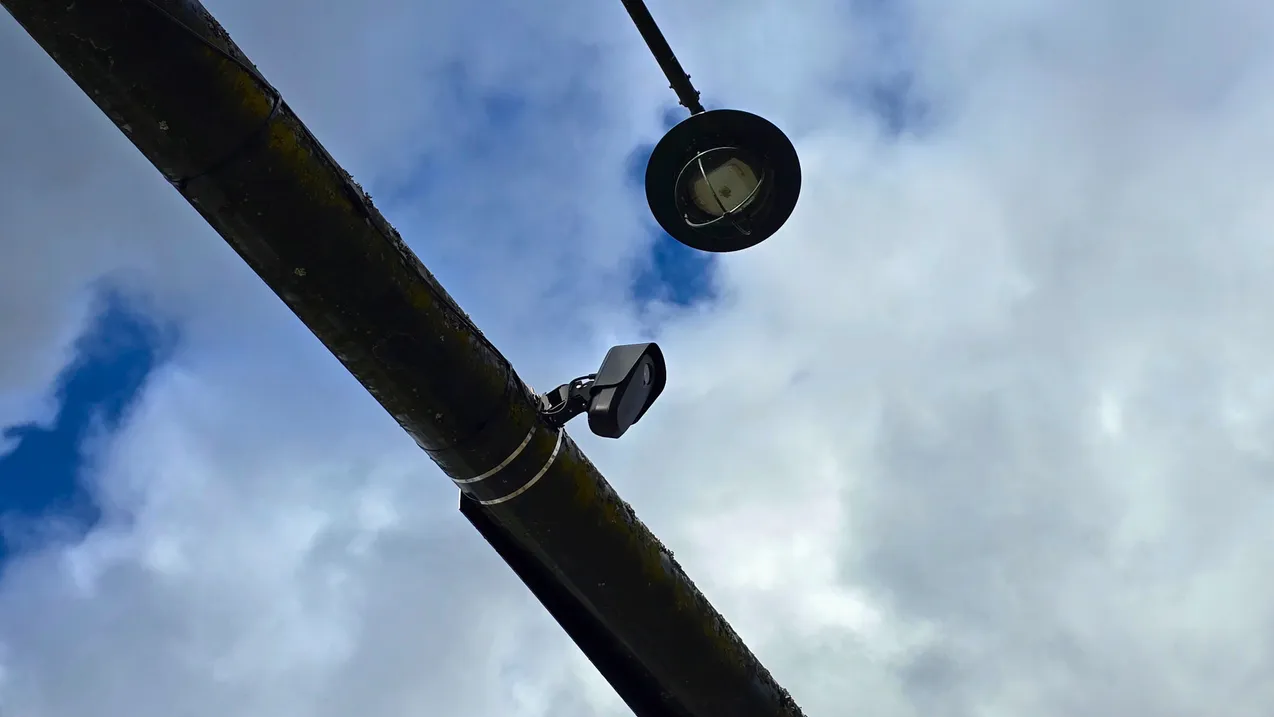
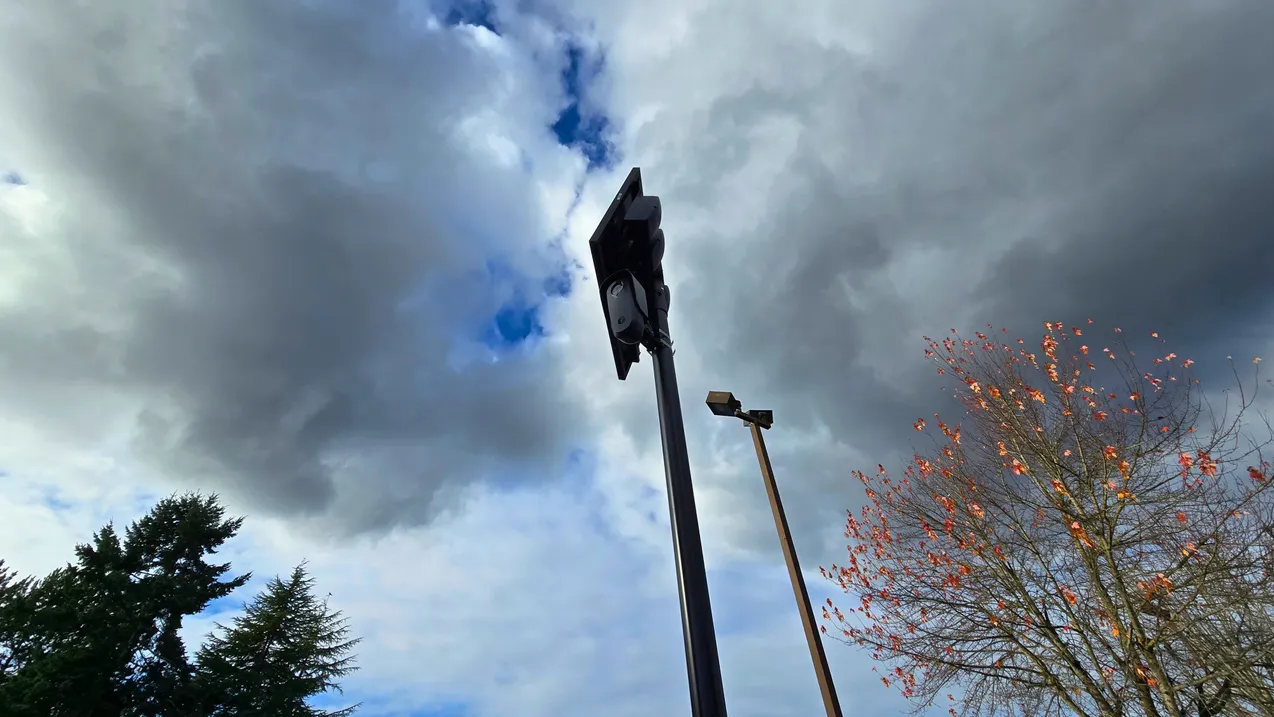
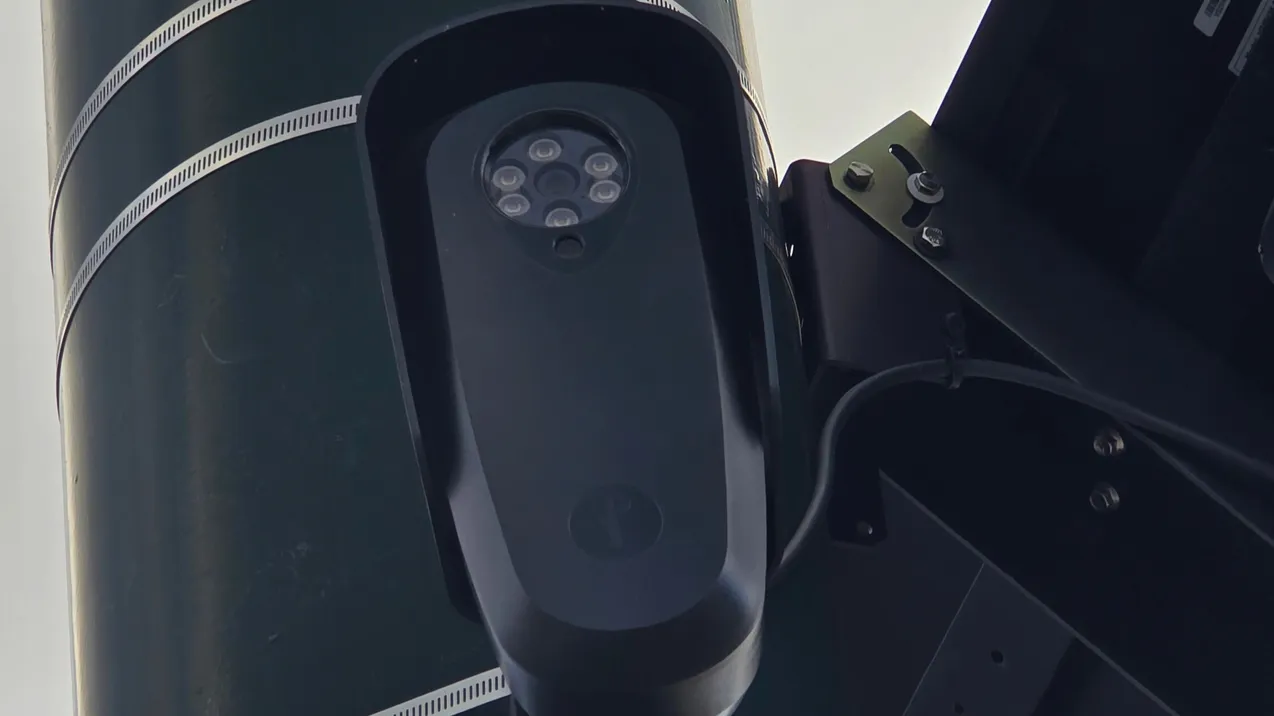
Newcastle, WA – For years, cities across Washington have installed Flock Safety’s Automated License Plate Reader (ALPR) cameras under the promise of safer streets, modern policing, and faster crime solving. These cameras watch every car that passes, analyze license plates, record vehicle details, and store that data in a centralized cloud system.
What most people did not know is how far that data travels.
University of Washington researchers discovered that at least 18 Washington agencies had their ALPR data accessed by federal immigration authorities. A Texas sheriff used Washington’s ALPR data to track a woman who had an abortion. Thousands of unauthorized searches were made through features local agencies did not know existed, such as a vendor controlled pilot program and an automatically enabled National Lookup function.
And in November 2025, a Washington judge ruled that all Flock camera images and metadata are public records. This means any private resident or stranger could legally request and receive images of every car captured in the system. The ruling caused multiple cities and counties to shut their cameras off immediately, citing public safety and privacy concerns.
This article explains how we reached this crisis, how ALPR surveillance is being misused across the country, how it threatens marginalized communities (including LGBTQIA+ people, immigrants, and abortion seekers), and what residents in Newcastle should know about the system operating in their own backyard.
How Flock’s ALPR Network Works and Why It Became a Massive Surveillance System
Flock cameras are solar powered devices that capture every vehicle passing through their field of view. They store:
- License plate number
- Vehicle make and model
- Vehicle color
- Visible identifiers like bumper stickers, roof racks, unique damage, and more
- Location and exact timestamp
Flock then uploads everything to a centralized, nationwide database searchable by more than 5,000 law enforcement agencies.
This is not a local tool. This is a national surveillance network.
Pattern of Life Tracking
The system allows officers to:
- Search for vehicles seen near certain locations
- Flag repeat visitors to an area
- Reconstruct travel histories
- Track movement patterns across days, weeks, or months
The technology does not target individual suspects. It captures everybody.
The Three Doors of Access: How Federal Agencies Got Washington Data
The University of Washington Center for Human Rights (UWCHR) uncovered three ways federal agencies accessed Washington data.
Front Door Access
Local agencies explicitly enabled data sharing with U.S. Border Patrol or Homeland Security Investigations. At least eight Washington police departments did this in 2025.
Back Door Access
Flock allowed agencies like Border Patrol to run searches without the local agency’s knowledge. This happened through:
- An undisclosed federal pilot program
- The National Lookup feature many agencies did not realize was turned on
At least ten Washington departments had thousands of federal searches performed on their data this way.
Side Door Access
Local officers ran searches on behalf of federal agencies.
Example:
A Yakima County Sheriff’s Office user searched 89 networks with the reason listed as “ICE.”
ALPR Data Used to Target Immigration, Abortion, and LGBTQIA+ Communities
Immigration Enforcement Violations
Washington’s Keep Washington Working Act forbids local agencies from assisting with federal civil immigration enforcement.
But the audits showed:
- Thousands of ALPR searches logged with reasons like “immigration,” “ICE,” “USBP,” and “criminal alien.”
- Search activity tied directly to ICE operations.
Federal agencies gained effective access even when cities believed they had disabled sharing.
Abortion Related Searches
After Texas banned abortion, a Texas sheriff used Flock’s national network to locate a woman who had self managed an abortion.
He searched ALPR systems in Prosser, Yakima, and the King County Housing Authority.
Washington’s shield law was designed to prevent exactly this.
ALPR data made that protection meaningless.
Impacts on LGBTQIA+ Communities
ALPR data can expose:
- Travel to gender affirming healthcare
- Visits to LGBTQIA+ centers
- Attendance at protests
- Travel to safe spaces
For communities already targeted politically and legally, mass location tracking is a direct threat to safety.
Case Study: The Redmond Wrongful Arrest
In August 2025, Redmond police surrounded the home of Thor Andrews Sr. and handcuffed him in his driveway. A Flock alert flagged his car as “associated” with his son, who had a felony warrant.
The car was registered to the father, not the son. Police records already showed this. The system still triggered a full tactical response.
Mr. Andrews later said:
“What if my grandson had been in the vehicle and they thought I was reaching for something. It could have gone a very different way.”
This incident is not an anomaly. It is the predictable outcome of automated suspicion.
The Court Ruling That Changed Everything
On November 6, 2025, a Washington judge ruled that:
Flock ALPR images and data are public records.
This means:
- Anyone can request copies of all vehicle scans within the city
- Cities may be legally required to disclose sensitive travel histories
- Police must store and manage massive data sets to comply with public records law
Multiple cities shut their systems off within days, including Skamania County, Sedro-Woolley, Stanwood, Lynnwood, and Redmond.
Officials warned this ruling created a mechanism for stalking, harassment, and surveillance of private citizens by private citizens.
How Newcastle’s ALPR System Works and Why Residents Should Be Concerned
Newcastle contracts its police services through the King County Sheriff’s Office. KCSO sets the rules, administrators, and access controls for Newcastle’s six Flock cameras.
Data Control
- Stored by Flock, not the city
- Retained 30 days unless tagged as evidence
- “Owned by Newcastle” but contract language gives Flock broad rights
- Evidence data may be kept indefinitely
Local Personnel Control
- A KCSO contract city chief designates ALPR Administrators
- Operators must complete training
- Access is logged
Official Restrictions
Newcastle’s policy says the cameras:
- Capture only rear license plates and vehicle rears
- Do not capture faces, race, or gender
- May not be used for immigration enforcement or harassment
- Require human verification before acting on alerts
The Real Problem
Even with local protections, Flock’s national design lets data flow to thousands of agencies unless features like National Lookup are deliberately disabled.
Many cities did not know the feature was active.
Cost to Newcastle
Exact numbers are not published, but typical pricing:
- 2 lane camera: ~$3,000 per year
- 3 lane camera: ~$5,000 per year
Newcastle has six cameras. Annual estimate:
$18,000 to $30,000 per year.
Since Newcastle contracts through KCSO, these costs are folded into a larger multi million dollar contract budget and rarely itemized.
Data Volume
Last 30 days:
- 160,528 scans
- 93 hotlist hits
- 156 officer searches
For drivers who use Coal Creek Parkway, that often means multiple scans every day.
Local Concern
At a March 2025 council meeting, resident Steven Vimes warned:
“This raises Carpenter era privacy questions about prolonged tracking.”
Now, with the statewide court ruling, every image these cameras capture may be subject to release.
Common Myths About ALPRs and the Reality Behind Them
Surveillance vendors and police agencies repeat the same talking points when promoting ALPR systems. Research shows these claims rarely hold up.
Below is the debunked list, curated from academic research, investigative journalism, civil rights groups, and nationwide data.
Myth 1: ALPRs prevent crime and make communities safer
Reality: Crime has fallen nationwide for decades independent of ALPR use. A 16 year study in Piedmont, CA found no statistical evidence that ALPRs reduce stolen vehicle rates.
Myth 2: ALPRs are extremely effective at generating investigative leads
Reality: Less than 0.3 percent of ALPR “hits” produce useful leads, even in well studied cities.
Myth 3: If you aren’t doing anything wrong, you shouldn’t care
Reality: ALPRs collect data on everyone. This includes where you go, who you visit, which doctors you see, which protests you attend, and which organizations you support.
Myth 4: License plates are public, so ALPR surveillance is fine
Reality: A fleeting glance is not the same as a permanent, searchable, nationwide recording.
Myth 5: Cities control their data
Reality: Standard Flock contracts give the company a broad license to use data as it wishes. And data is accessible to any authorized agency in the nationwide network unless manually restricted.
Myth 6: The cameras capture only license plates
Reality: Flock uses AI to capture far more, including bumper stickers, occupants, unique features, and contextual details that reveal sensitive information.
Myth 7: Local leaders vet these systems carefully
Reality: Many contracts are signed without council oversight. Cities often misunderstand the technical features.
Myth 8: ALPR data is only used for serious crimes
Reality: It has been used to track immigrants, abortion seekers, estranged partners, and people traveling for protected healthcare.
Timeline of the Crisis
A condensed timeline of major WA events:
- May 2025: Texas sheriff uses WA ALPR data to track an abortion seeker
- June 2025: UWCHR files massive public records requests
- August 2025: Redmond wrongful arrest
- October 21, 2025: UWCHR report published
- October 21 – November 12: Cities begin disabling cameras
- November 6, 2025: Skagit County PRA ruling
- November 12+: More cities shut systems down
This timeline shows how rapidly the situation escalated once federal access became public.
Why This Matters for Newcastle
Newcastle’s cameras are part of the same statewide and national network.
Given what we now know, residents should insist on answers to these questions:
- Is National Lookup disabled?
- Have federal or out of state agencies accessed Newcastle data?
- How much data has been exported as evidence?
- Who performs audits and are they public?
- How will Newcastle handle public records requests for ALPR data?
The system impacts everyone, not just suspects. It affects immigrants, LGBTQIA+ residents, people seeking reproductive or gender affirming care, survivors of domestic violence, and anyone who values privacy and safety.
Call To Action: What Newcastle Should Do Now
Newcastle now faces a choice:
A. Suspend the ALPR program pending investigation
As Redmond, Lynnwood, Skamania County, Sedro-Woolley, and others have done.
B. Conduct a full public audit
Including an accounting of all past data sharing.
C. Require transparent public oversight
Audit logs should be published monthly.
D. Ban all immigration related use
Consistent with state law.
E. Hold a public forum
Residents must be heard, especially those from marginalized groups who face the greatest harm.
A Technology Sold as Safety Has Become a Risk
Flock cameras were marketed as modern crime fighting tools. But they have created a sprawling surveillance network that undermines Washington’s laws, exposes residents to federal overreach, risks public disclosure of sensitive travel data, and has directly harmed residents here in our state.
Newcastle deserves the truth and the right to decide whether this system should remain in place.
Now that the full picture is clear, it is time for residents, advocates, and city leaders to have a real conversation about the future of surveillance in our community.
--
Sources
- Ingalls, C. (2025, November 9). Judge orders police to release surveillance camera data, raising privacy questions. king5.com. https://www.king5.com/article/news/investigations/investigators/judge-orders-washington-police-release-surveillance-camera-data-privacy-questions/281-c2037d52-6afb-4bf7-95ad-0eceaf477864
- Koebler, J. (2025, May 27). ICE Taps into Nationwide AI-Enabled Camera Network, Data Shows. 404 Media. https://www.404media.co/ice-taps-into-nationwide-ai-enabled-camera-network-data-shows/
- Leaving the door wide open: Flock surveillance systems expose Washington data to immigration enforcement. (2025, October 21). Center for Human Rights University of Washington. Retrieved November 20, 2025, from https://jsis.washington.edu/humanrights/2025/10/21/leaving-the-door-wide-open/
- Marlow, C., & Stanley, J. (2023, June 13). How to pump the brakes on your police Department’s use of Flock’s mass surveillance license plate Readers | ACLU. American Civil Liberties Union. https://www.aclu.org/news/privacy-technology/how-to-pump-the-brakes-on-your-police-departments-use-of-flocks-mass-surveillance-license-plate-readers
- Shepherd, C. (2025, August 26). U.S. Customs and Border Protection accesses Illinois license plate data. Axios Chicago. Retrieved November 20, 2025, from https://www.axios.com/local/chicago/2025/08/26/illinois-flock-safety-cbp-license-plate-data-violations
- Sundberg, A., & Sundberg, A. (2025, June 19). License Plate Readers Proliferate in Washington, Bringing Concerns over ICE Overreach » The Urbanist. The Urbanist » Advocacy journalism for better cities. https://www.theurbanist.org/2025/06/19/license-plate-readers-proliferate-in-washington-ice-overreach/
- Wikipedia contributors. (2025, November 17). Flock Safety. Wikipedia. https://en.wikipedia.org/wiki/Flock_Safety
