Pride All Year Round: A Guide for Inclusive Communities
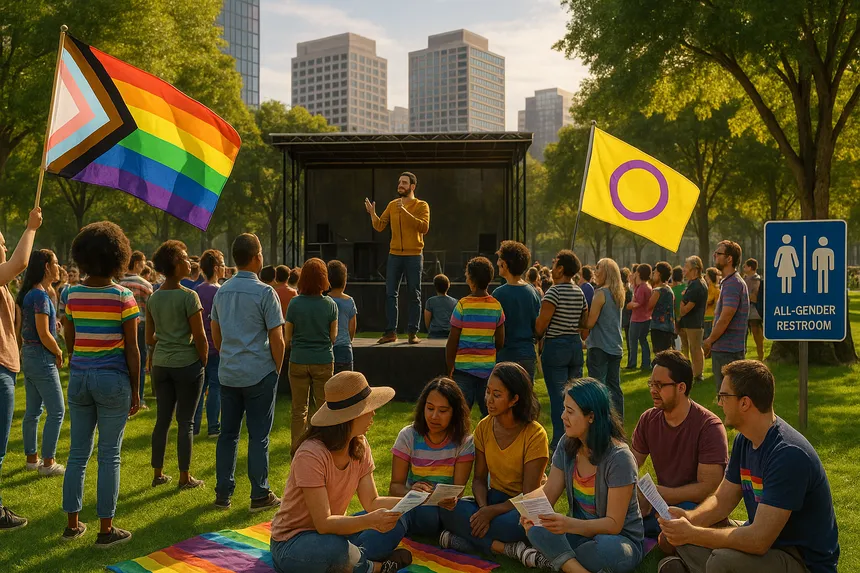
Pride All Year Round: Building Inclusive Communities
Newcastle, WA – Pride is more than a month; it’s a commitment to building inclusive communities every day of the year. Across Washington and beyond, cities, organizations, and residents are embracing strategies to foster safety, respect, and visibility for LGBTQIA+ individuals, making sure no one is left behind.
Understanding LGBTQIA+ Terms
Language shapes our understanding of identity. Key terms include lesbian, gay, bisexual, transgender, queer, intersex, asexual, aromantic, and the inclusive “+” to represent other identities. Respectful language, and an openness to learning, builds bridges and strengthens community bonds.
Understanding Gender
Gender is a spectrum that encompasses gender identity, gender expression, sex assigned at birth, and sexual orientation. Nonbinary, agender, and gender-expansive identities remind us that everyone’s experience is unique. Supporting gender diversity means recognizing and respecting all identities and journeys.
The Importance of Pronouns
Personal pronouns are a cornerstone of inclusive communication. Using someone’s correct pronouns validates their identity and fosters respect. Mistakes happen, what matters is a quick, sincere correction and a commitment to do better.
Bathroom Safety
Access to safe and inclusive restrooms remains a key concern for many LGBTQIA+ individuals, especially transgender and gender-nonconforming people. Gender-inclusive facilities and supportive policies help ensure dignity and well-being for all.
Pride Flags and Visibility
Flying Pride flags is a visible commitment to inclusion and solidarity. Communities can use the Progress Pride Flag and Intersex Inclusive Pride Flag to show support. Flag-raising ceremonies invite allies and community leaders to stand together in support of LGBTQIA+ rights.
Proclamations of Pride
Local governments can demonstrate their commitment by issuing Pride proclamations that celebrate LGBTQIA+ individuals and recognize the community’s resilience. Including voices from BIPOC, transgender individuals, youth, and families makes these proclamations meaningful and inclusive.
Communicating Inclusivity All Year
Inclusion is a year-round practice. Sharing pronouns, displaying Pride symbols, speaking out against discrimination, and continually learning are just a few ways to foster welcoming spaces. Policies like gender-neutral restrooms and inclusive family leave help make communities safer and more supportive.
Key Calendar Dates
Important LGBTQIA+ days include:
- March 31: Trans Day of Visibility
- Third Friday of April: Day of Silence
- June: Pride Month
- October: LGBTQIA+ History Month
- October 11: National Coming Out Day
- November 20: Transgender Day of Remembrance
- December 1: World AIDS Day
Recognizing these dates strengthens community bonds and shows ongoing commitment to inclusion.
Social Media Strategies
Cities and organizations can leverage social media to share educational content, amplify LGBTQIA+ voices, connect residents to resources, and promote inclusive policies. Thoughtful, intentional posts can build trust and promote community pride.
Parks and Recreation: Creating Welcoming Spaces
Parks and recreation spaces should reflect and celebrate all community members. Gender-neutral restrooms, inclusive signage, Pride symbols, and diverse representation in programming make these spaces safer and more welcoming. Staff training and inclusive registration practices further support LGBTQIA+ inclusion.
Conclusion
Pride is not just a moment, it’s a promise to create communities where everyone feels safe, respected, and celebrated. Through inclusive language, safe facilities, visible support, and year-round commitment, cities and organizations can build spaces that honor the dignity and diversity of every individual. Let’s work together to make Pride a reality, every day, for everyone.
